CZ – BARBELO-GNOSTICISMUS: ŽENSKÝ ASPEKT BOŽSTVÍ V GNOSTICKÉ TRADICI

Úvod

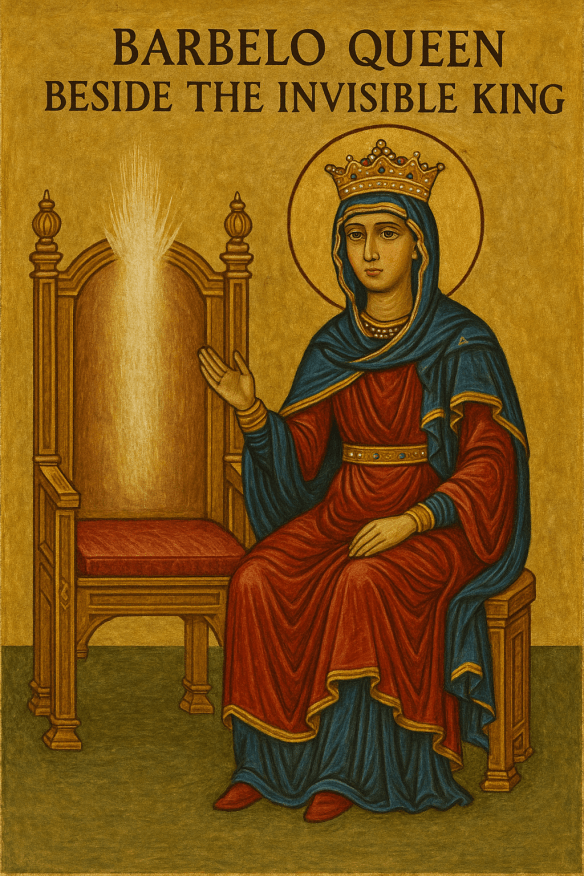
Gnostické učení nabízí fascinující alternativní pohled na Božství – včetně ženského božského principu, který tradiční církevní doktrína opomíjela. Jedním z ústředních symbolů této božské ženskosti v gnostické kosmologii je postava Barbelo. Barbelo vystupuje jako prvotní emanace Nejvyššího Boha a představuje univerzální Božskou Matku. V tzv. Barbelo-gnosticismu (gnostických směrech, jež uctívají Barbelo) se klade důraz právě na tento ženský aspekt Božství – Barbelo jako ženskou polovinu plnosti božstva (Pleromatu) vedle neviditelného Otce. Tento článek přibližuje teologické i spirituální poselství Barbelo-gnosticismu poutavou formou, avšak odborně podloženě. Opřeme se o dochované gnostické texty (např. Tripartitní traktát či Tajnou knihu Janovu) a moderní studie (např. Textbook of Gnosticism 2.0 Josefa Šédla či Hanegraaffův Dictionary of Gnosis and Western Esotericism), abychom prozkoumali význam Barbelo jako božské emanace a ženského principu v Bohu.

Krátce řečeno: Kdo je Barbelo? V gnostickém mýtu je Barbelo prvotní vyzařování Boha, Prvotní Myšlenka a zároveň ženský mateřský element uvnitř božství. Jak uvidíme, Barbelo tvoří spolu s nepoznatelným Otcem a emanovaným Synem posvátnou Trojici na vrcholu duchovního světa. Tento Matka-Otec princip zdůrazňuje, že božská podstata zahrnuje mužský i ženský pól. Z pohledu gnostiků má Barbelo nejen kosmologickou roli, ale také přímý spirituální význam – je chápána jako milující Prozřetelnost, která pečuje o duše a navrací je zpět do Světla Pleromatu. Nahlédněme nyní do gnostické kosmologie a odhalte tajemství Barbelo, Božské Matky veškerenstva.
Celý příspěvek

EN – BARBELO-GNOSTICISM: THE FEMININE ASPECT OF THE DIVINITY IN THE GNOSTIC TRADITION

Introduction

Gnostic teachings offer a fascinating alternative view of the Divine – including the feminine divine principle, which has been neglected by traditional church doctrine. One of the central symbols of this divine feminine in Gnostic cosmology is the figure  of Barbelo. Barbelo appears as the primordial emanation of the Most High God and represents the universal Divine Mother. In the so-called Barbelo-Gnosticism (Gnostic movements that worship Barbelo) emphasizes this feminine aspect of the Divinity – Barbelo as the feminine half of the fullness of the deity (Pleromatus) next to the invisible Father. This article presents the theological and spiritual message of Barbelo-Gnosticism in an engaging form, but with a professional basis. We will rely on the surviving Gnostic texts (e.g. Tripartite Treatise or the Secret Book of John) and modern studies (e.g. Textbook of Gnosticism 2.0 by Josef Šédl or Hanegraaff’s Dictionary of Gnosis and Western Esotericism), to explore the meaning of Barbelo as a divine emanation and feminine principle in God.

In short: Who is Barbelo? In Gnostic myth, Barbelo is  the primordial radiation of God, the Primordial Thought and at the same time the feminine maternal element within the divine. As we shall see, Barbelo, together with the unknowable Father and the emanated Son, form the sacred Trinity at the summit of the spirit world. This Mother-Father principle emphasizes that the divine nature includes both male and female poles. From the point of view of the Gnostics, Barbelo has not only a cosmological role, but also a direct spiritual significance – she is understood as a loving Providence who cares for souls and brings them back to the Light of the pleroma. Let us now look into the Gnostic cosmology and uncover the mystery of Barbelo, the Divine Mother of the universe.

Celý příspěvek

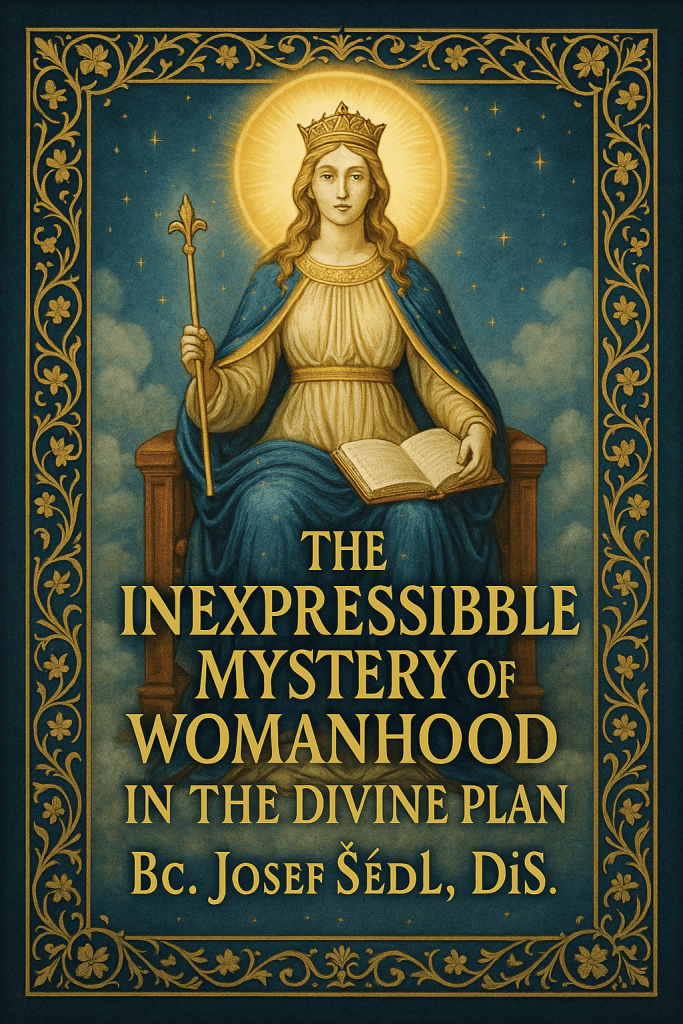
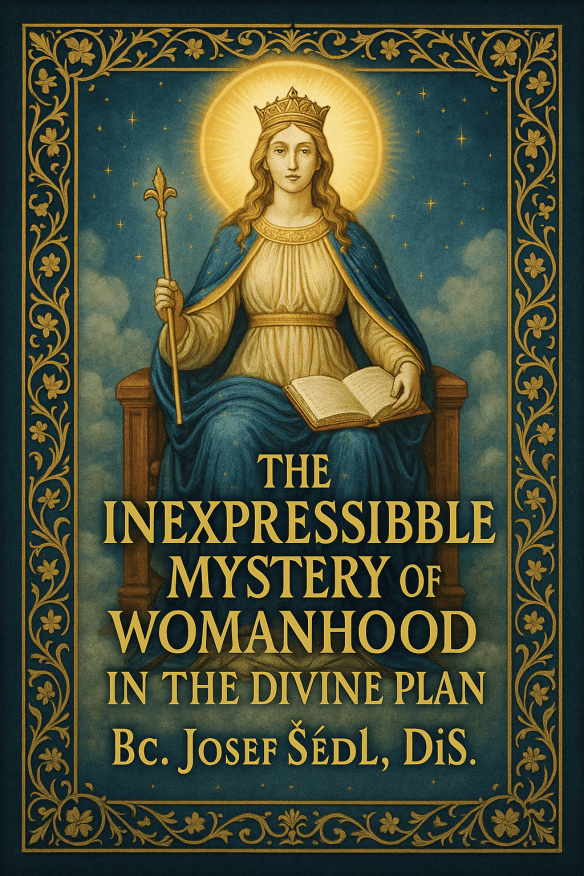
EN Bc. Josef Šédl, DiS. – THE INEXPRESSIBLE MYSTERY OF FEMININITY IN THE DIVINE PLAN – THIRD COLLECTION FOR THE GNOSTICISM 2.0 TEXTBOOK

The texts presented here extensively examine the position of womanhood and feminine principles in Christian traditions, particularly from Catholic, Orthodox, and Gnostic perspectives. The first part describes in detail the role of the Virgin Mary in the New Testament and in the theology of the Catholic and Orthodox Churches, including Marian dogmas, veneration, and titles, while also comparing her to Mary Magdalene. The second part focuses on Gnostic texts and their conception of female divinity, such as the figures of Barbelo, Sophia, and Eve, and analyzes Gnostic cosmology with concepts of eons and syzygies that emphasize the equality of the masculine and feminine principles. The sources also compare these traditions from a philosophical, anthropological, religious, and sociological perspective, tracing their influence on the perception of women throughout history and in modern feminist theology, and include reflections on the possible connection between Gnostic archetypes and Slavic goddesses in the context of modern Gnosticism. The conclusion includes a glossary of terms and a list of references.

https://herohero.co/textbookofgnosticism2023