Význam hada a reinkarnace
Ve východním Gnosticismu, u Mandejců, v hermetických naukách, jako je Corpus Hermeticum, i u křesťanských gnostiků Naasejců, kteří byli považováni za příznivce Hada, lze jasně vysledovat myšlenku reinkarnace.
Cesta spásy prochází časovou a prostorovou řadou „generací“ (eonů). Božská duše vstupuje na svět, aby prošla dlouhou, zmatenou a obtížnou cestou plnou bolesti ze ztráty a osamění. Duše ztrácí a znovu získává paměť; znovu se rodí a snáší těžkosti života v nových hmotných inkarnacích.
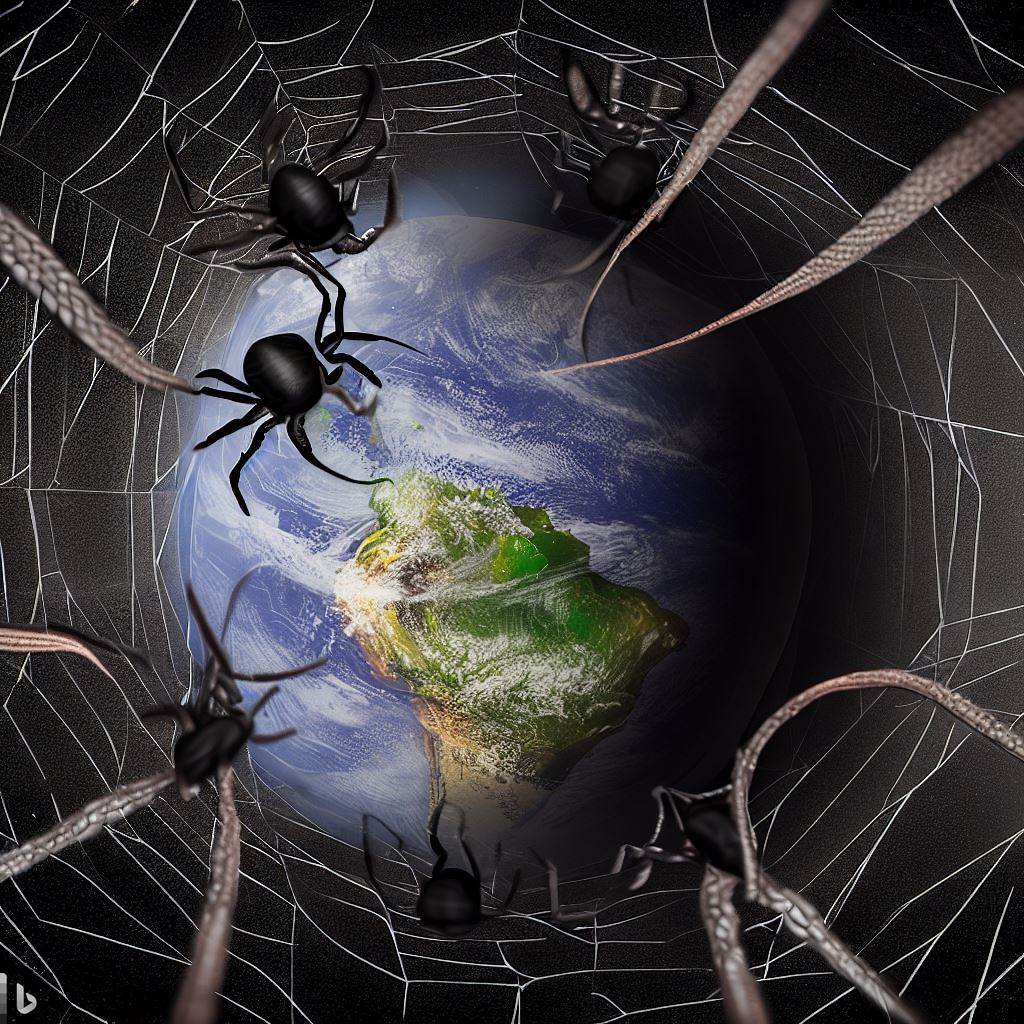
Na konci této cesty nachází duše odpočinek v Pleromě, božské plnosti.
„V tom světě [temnoty] jsem pobýval tisíce myriád let, a nikdo o mně nevěděl, že jsem tam byl. . . . Rok za rokem a pokolení za pokolením jsem tam byl, a oni o mně nevěděli, že přebývám v jejich světě“, – vypráví „Ginza Rba“, Kniha mandejců.
„Cesta, kterou musíme jít, je dlouhá a nekonečná“, stejně jako „Jak široké jsou hranice těchto světů temnoty!“
Lidská bolest a smutek, které stravují srdce, nemají hranic: „Jak dlouho jsem již snášel a přebýval ve světě!“.
(„Ginza Rba“)
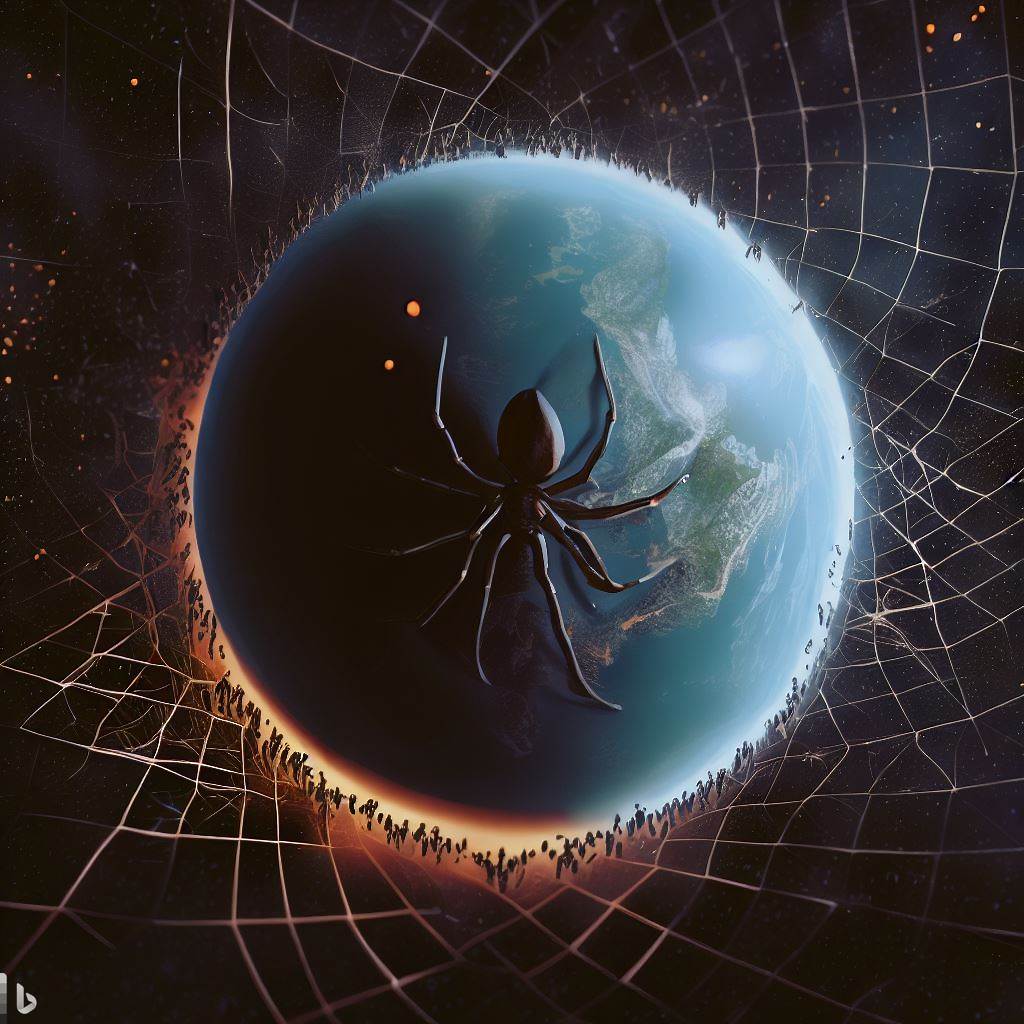
Stejné téma překonávání nesčetných světů temnoty zaznívá i v Corpus Hermeticum:
„Vidíš, dítě, kolik je těles, jimiž musíme projít, kolik je sborů daimonů, jak rozsáhlá je soustava hvězdných drah [jimiž vede naše Cesta], abychom spěchali k Jedinému Bohu“.
Naasejské žalmy hovoří o „labyrintu zla“, kterým duše na své nekonečné cestě prochází:
„Když jednou zabloudila do labyrintu zla, Nešťastná [duše] nenajde cestu ven. . . Ona
se snaží uniknout z hořkého chaosu, a ví, že jak se jí podaří projít“.
A konečně v témže žalmu Naasen Ježíš vyznává: „Všechny světy projdu, všechna tajemství odemknu“.
Odtud zřejmě čerpali inspiraci kataři. Podle jejich názorů procházejí částečky božského světa – duše vyvolených zajaté Demiurgem – dlouhým řetězcem inkarnací, kdy se střídavě vtělí do chudých a bohatých, úspěšných a nešťastných, mužů a žen, mrzáků a bojovníků, hříšníků a spravedlivých, křesťanů a stoupenců konečných různých vyznání, aby nakonec dosáhly poznání a získaly dlouho očekávanou svobodu v království Ducha. Porod podle jejich učení umožňuje nebeským duším získat dočasné útočiště k uskutečnění jejich záměru. Smrt hmotného světa se stane koncem cyklu jejich reinkarnací.
The meaning of the serpent and reincarnation
In Eastern Gnosticism, among the Mandaeans; in hermetic teachings like the Corpus Hermeticum; among the Christian Gnostics of the Naaseans, who were considered fans of the Serpent, the idea of reincarnation is clearly traced.
The path of salvation passes through the temporal and spatial series of „generations“ (eons). The divine soul enters the world to go through a long, confusing and difficult path, full of pain of loss and loneliness. Soul loses and regains her memory; is reborn, enduring the hardships of life in new material incarnations.
At the end of this path, soul finds rest in the Pleroma, the divine fullness.
„In that world [of darkness] I dwelt thousands of myriads of years,
and nobody knew of me that I was there. . . . Year upon year and
generation upon generation I was there, and they did not know about me that I dwelt in their world“, – narrates “Ginza Rba”, The book of Mandaeans.
“The way that we have to go is long and endless“, as “How wide are the boundaries of these worlds of darkness!”.
There is no limit to human pain and sadness which consume hearts: “How long have I endured already and been dwelling in the world!”.
(“Ginza Rba”)
The same theme of overcoming countless worlds of darkness is heard in the Corpus Hermeticum:
“You see, child, how many are the bodies through which we have to pass, how many are the choirs of daimones, how vast the system of the star-courses [through which our Path doth lie], to hasten to the One and Only God.”
Naasen Psalms talk about the „labyrinth of evils“ that the soul goes through in its endless journey:
„Having once strayed into the labyrinth of evils,
The wretched [Soul] finds no way out. . . She
seeks to escape from the bitter chaos, And knows
not how she shall get through“.
Finally, in the same Naasen Psalms, Jesus confesses: „All the worlds shall I journey through, all the mysteries unlock.“
From here, apparently, the Cathars drew inspiration. According to their views, the particles of the divine world – the souls of the chosen taken captive by Demiurge – pass a long chain of incarnations alternatively incarnating into the poor and the rich, the successful and the miserable, men and women, the crippled and warriors, sinners and the righteous, Christians and the adherents of ultimate different faiths to eventually achieve the knowledge and acquire the long-awaited freedom in the kingdom of Spirit. Childbirth, according to their doctrine, allows celestial souls to get a temporary shelter to realize their purpose. The death of material world will become the end of the cycle of their reincarnations.
 GNOSTICISMUS/GNOSTICISM 2025