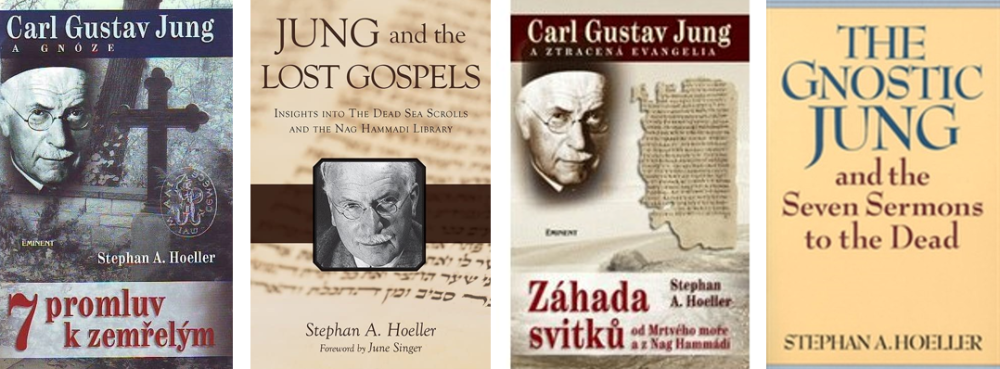
Myslím, že gnosticismus není ani tak náboženství, jako spíše filozofické přehodnocení světa a reality. Před gnosticismem i po něm všechny náboženské a filozofické systémy představovaly svět jako jakýsi jednotný a harmonický organismus, kde se vše vzájemně doplňuje a Stvořitel je ve všech svých projevech ctnostný a moudrý. Není třeba zmiňovat monoteistická náboženství, kde bylo každé šílenství ospravedlňováno božskou nutností. Stejnou apologetiku však najdeme i ve starověkých filozofických systémech.
V období pozdního helénismu, v době rozkvětu spirituality, byl vesmír vnímán jako jediný, dýchající organismus naplněný světlem: „vskutku živá bytost obdařená duší a rozumem“ Platóna a Pythagorova „harmonie sfér“ je plná harmonie čísel, tvarů a zvuků. Platónův demiurg byl nepochybně spravedlivý, ctnostný a nápaditý stvořitel.
Ať už to byli stoikové, pythagorejci nebo novoplatonici, lidé se necítili světu cizí, přijímali ho v celé jeho plnosti a libovali si ve hře jeho barev a květenství jako v kouzelné zahradě, kde i sladkost skrývá nebezpečí. „I tento vesmír existuje díky Němu a vzhlíží k Němu – vesmír jako celek a každý Bůh v něm – a vypráví o Něm lidem, přičemž všichni stejně odhalují plán a vůli Nejvyššího,“ napsal Plótinos. ‚Bůh a svět přírody musí být jedno a veškerý život světa musí být obsažen v bytí Boha … Ale člověk sám se narodil, aby kontemploval a napodoboval svět, přičemž v žádném případě není dokonalý, ale, mohu-li se tak vyjádřit, je částečkou dokonalosti,‘ domníval se M. Tullius Cicero.
Gnosticismus toto paradigma radikálně změnil. Gnostici svrhli demiurga z piedestalu. Ano, byl stvořitelem kosmu, hmotného světa, i když ne vševidoucím, soucitným, milosrdným a pečujícím o člověka, ale nevědomým a domýšlivým. Nebyl Bohem, byl jen ubohým stínem Boha, tím světlem nepředstavitelné hloubky. I antipod Boha byl podle čistých dualistů chamtivý a lstivý.
Kosmos, hmotu a tělo považoval za zlo, neslučitelné s božským duchem, za substanci, která mu byla cizí a odporná.
To byl podle mého názoru nejhlubší vhled, okamžik uvědomění si pravdy, ať už je jakkoli tíživá a skličující. Můžeme se však vzdát pravdy, abychom mohli nadále žít ve stavu iluze?
I think Gnosticism is not so much a religion as a philosophical rethinking of the world and reality. Before and after Gnosticism, all religious and philosophical systems presented the world as a kind of unified and harmonious organism, where everything complements each other, and the Creator in all his manifestations is virtuous and wise. There is no need to mention monotheistic religions, where any madness was justified by divine necessity. But we find the same apologetics in ancient philosophical systems.
In the period of late Hellenism, a time of flourishing of spirituality, the Universe was perceived as a single, breathing organism filled with light: ‘indeed, a living creature endowed with soul and reason’ оf Plato, and the ‘harmony of the spheres’ of Pythagoras is full of the harmony of numbers, shapes, and sounds. Undoubtedly, Plato’s demiurge was a fair, virtuous, and imaginative creator.
Whether stoics, Pythagoreans, or neo-Platonists, people did not feel alien to the world, accepted it in all its fullness, and revelled in the play of its colours and inflorescences as if in a magic garden where even sweetness was fraught with hidden danger. ‘This Universe, too, exists by Him and looks to Him—the Universe as a whole and every God within it—and tells of Him to men, all alike revealing the plan and will of the Supreme,’ wrote Plotinus. ‘God and the world of Nature must be one, and all the life of the world must be contained within the being of God … But man himself was born to contemplate and imitate the world, being in no wise perfect, but, if I may so express myself, a particle of perfection,’ believed M. Tullius Cicero.
Gnosticism radically changed this paradigm. Gnostics overthrew the demiurge from the pedestal. Yes, he was the creator of the cosmos, the material world, although not all-seeing, compassionate, merciful, and caretaker of a man, but ignorant and conceited. He was not God; he was just a pitiful shadow of God, that of the light of inconceivable depth. Even the antipode of God, according to pure dualists, was avaricious and cunning.

The cosmos, matter, and flesh were seen as evil, incompatible with divine spirit, a substance which it found alien and repugnant.
This, in my opinion, was the deepest insight, the moment of realizing the truth, no matter how burdensome and depressing it may be. But can we give up the truth in order to continue living in a state of illusion?
 GNOSTICISMUS/GNOSTICISM 2025